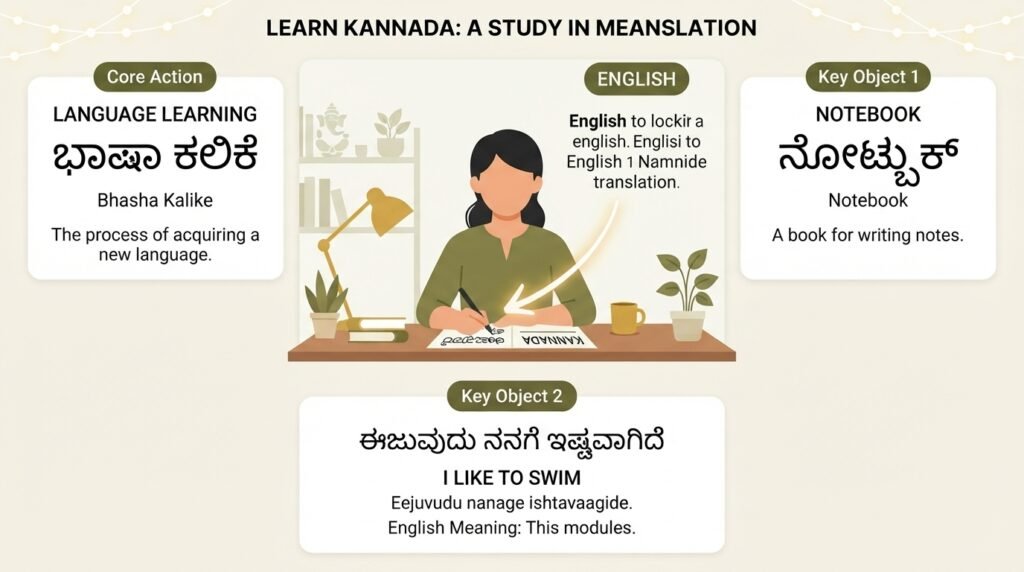
Letter writing in Kannada is a skill that opens doors, whether you are applying for a job, writing to a government office, or staying in touch with family back home. This guide walks you through the exact formats, common phrases, and cultural nuances you need to write clear, respectful letters in Kannada. By the end, you will know how to structure a letter from the opening line to the signature, and you will have a set of templates you can adapt for almost any situation.
Quick Answer: A standard Kannada letter follows a simple structure: sender’s address at the top right, date below it, recipient’s address on the left, a salutation like “ಗೌರವಾನ್ವಿತರೇ” (Gauravanvitare, meaning Respected Sir/Madam), a subject line starting with “ವಿಷಯ:” (Vishaya), the body, a closing phrase like “ಧನ್ಯವಾದಗಳು” (Dhanyavadagalu), and your signature with your name in block letters.
Why Letter Writing in Kannada Still Matters
You might think handwritten or typed letters are outdated. But in Karnataka, formal communication in Kannada is still the standard for many official and personal matters. Government offices, schools, colleges, and local businesses often expect correspondence in Kannada. If you are applying for a certificate, requesting a transfer, or lodging a complaint with a local body, a well-written Kannada letter gets read faster and taken more seriously.
Beyond official work, personal letters in Kannada hold emotional weight. A handwritten letter to a grandparent or an elder relative in your village carries a warmth that a WhatsApp message cannot replace. The act of writing in Kannada also keeps the language alive in daily use, which matters for younger generations growing up with English-dominant education.
Pro Tip: If you are not fully comfortable writing in Kannada script, type the letter using a Kannada keyboard or transliteration tool first. Read it aloud to check the flow before sending or printing.
Standard Format for a Formal Kannada Letter
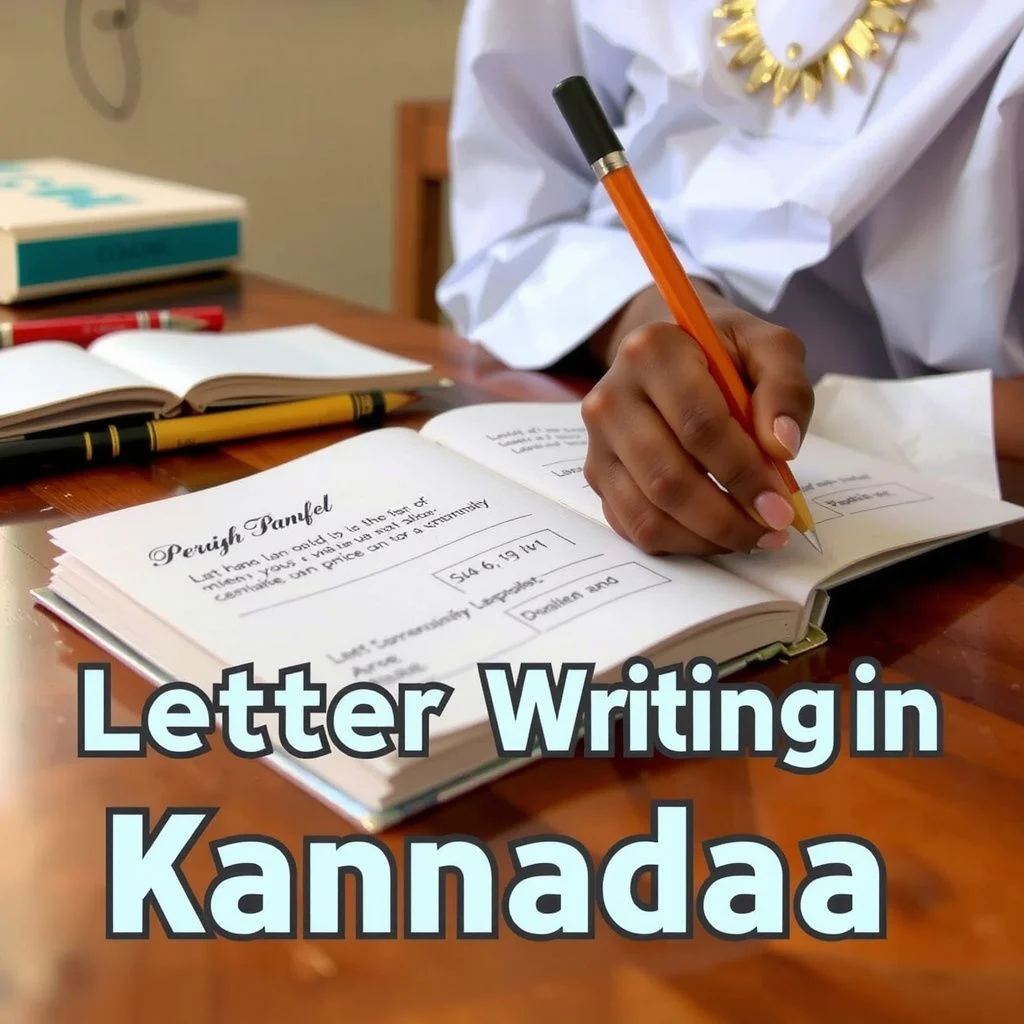
Formal letters in Kannada follow a predictable structure. Once you learn this skeleton, you can fill in the details for any official purpose.
Here is the standard layout, from top to bottom:
- Sender’s address (top right corner): Write your full address, including the house number, street, area, city, and PIN code. In Kannada, start with “ಇಂದ” (Inda, meaning “From”) before your address.
- Date: Place the date directly below the sender’s address. The format is usually day-month-year, e.g., “ದಿನಾಂಕ: 15-08-2025”.
- Recipient’s address (left side, below the date): Start with “ಗೆ” (Ge, meaning “To”) followed by the recipient’s name, designation, and address.
- Subject line: Write “ವಿಷಯ:” (Vishaya) followed by a brief phrase stating the purpose. Keep it to one line.
- Salutation: Use “ಗೌರವಾನ್ವಿತರೇ” (Gauravanvitare) for a general formal salutation, or “ಪ್ರಿಯ ಸರ್/ಮೇಡಂ” if you know the person’s name.
- Body: The main content of your letter. Keep paragraphs short and to the point.
- Closing: Use “ಧನ್ಯವಾದಗಳು” (Dhanyavadagalu, meaning “Thank you”) or “ವಂದನೆಗಳು” (Vandanegalu, meaning “Regards”).
- Signature: Write “ನಿಮ್ಮ ವಿಶ್ವಾಸಿ” (Nimma Vishwasi, meaning “Yours faithfully”) followed by your signature and your name in block letters.
Here is a comparison of the two main letter types:
| Feature | Formal Kannada Letter | Personal Kannada Letter |
|---|---|---|
| Salutation | ಗೌರವಾನ್ವಿತರೇ (Gauravanvitare) | ಪ್ರೀತಿಯ (Preetiya, meaning “Dear”) |
| Tone | Respectful, concise, factual | Warm, emotional, detailed |
| Subject line | Required (ವಿಷಯ:) | Not required |
| Closing | ಧನ್ಯವಾದಗಳು or ವಂದನೆಗಳು | ಪ್ರೀತಿಯಿಂದ (Preetiyinda, meaning “With love”) |
| Length | Usually one page | Can be multiple pages |
| Common use | Job applications, complaints, requests | Family updates, festival wishes, letters to friends |
Common Phrases for Letter Writing in Kannada
Having a bank of ready phrases makes letter writing in Kannada much easier. Here are the most useful ones for formal letters.
Opening phrases:
- “ನಾನು ಈ ಪತ್ರವನ್ನು ಬರೆಯಲು ಕಾರಣ…” (Nanu ee patravannu bareyalu karana…) meaning “The reason I am writing this letter…”
- “ತಮ್ಮ ಗಮನಕ್ಕೆ ತರಲು ಬಯಸುತ್ತೇನೆ” (Tamma gamanakke taralu bayasuttene) meaning “I wish to bring to your attention”
- “ವಿನಂತಿಯು ಈ ಕೆಳಗಿನಂತಿದೆ” (Vinantiyu ee kelaginantide) meaning “The request is as follows”
Request phrases:
- “ದಯವಿಟ್ಟು ಪರಿಶೀಲಿಸಿ ಕ್ರಮ ಕೈಗೊಳ್ಳಬೇಕಾಗಿ ವಿನಂತಿಸುತ್ತೇನೆ” (Dayavittu parisheelisi krama kaigollabekagi vinantisuttene) meaning “Kindly look into this and take necessary action”
- “ನನಗೆ ಈ ವಿಷಯದಲ್ಲಿ ತಮ್ಮ ಸಹಾಯವನ್ನು ಕೋರುತ್ತೇನೆ” (Nanage ee vishayadalli tamma sahayavannu koruttene) meaning “I seek your help in this matter”
Closing phrases:
- “ಶೀಘ್ರ ಪ್ರತಿಕ್ರಿಯೆ ನೀಡಬೇಕಾಗಿ ವಿನಂತಿ” (Sheeghra pratikriye needabekagi vinanti) meaning “Requesting a quick response”
- “ತಮ್ಮ ವಿಶ್ವಾಸಿ” (Nimma vishwasi) meaning “Yours faithfully”
Pro Tip: For formal letters, avoid using English words mixed into Kannada sentences unless there is no good Kannada equivalent. Government offices in particular appreciate pure Kannada usage. Words like “application”, “request”, and “complaint” all have standard Kannada equivalents: “ಅರ್ಜಿ” (arji), “ವಿನಂತಿ” (vinanti), and “ದೂರು” (dooru).
How to Write a Personal Letter in Kannada
Personal letters give you more freedom. You can write the way you speak. The structure is looser, but a few conventions still help.
Start with a warm salutation. “ಪ್ರೀತಿಯ ಅಮ್ಮ” (Preetiya Amma, meaning “Dear Mother”) or “ನನ್ನ ಪ್ರೀತಿಯ ಗೆಳೆಯ” (Nanna preetiya geleya, meaning “My dear friend”). Then ask about the person’s well-being before jumping into your own news.
The body of a personal letter can wander. Share news about your health, your work or studies, your daily routine, and any interesting events. Ask questions about the recipient’s life. This back-and-forth is what makes personal letters feel alive.
End with a warm closing. “ಪ್ರೀತಿಯಿಂದ” (Preetiyinda, meaning “With love”) for family, or “ನಿನ್ನ ಆತ್ಮೀಯ” (Ninna aatmeeya, meaning “Your dear friend”) for close friends.
Personal letters in Kannada often include blessings from elders. If you are writing to a younger person, you might close with “ಆಶೀರ್ವಾದಗಳೊಂದಿಗೆ” (Asheervadagalondige, meaning “With blessings”). This cultural touch is specific to Indian letter writing and shows respect for family hierarchy.
Pro Tip: When writing to elders, use the respectful form of “you” (ನೀವು, neevu) rather than the informal “ನೀನು” (neenu). This small grammatical choice signals respect and is noted by older readers.
Letter Writing in Kannada for Students
Students in Karnataka schools learn letter writing in Kannada as part of their curriculum, typically from Class 5 onwards. The Karnataka State Board and CBSE schools with Kannada as a language subject both include letter writing in exams. Common formats tested include:
- Leave letter to the class teacher
- Application for a transfer certificate
- Letter to the headmaster requesting a bonafide certificate
- Complaint letter about a civic issue to the municipal office
The marking scheme usually awards points for correct format, appropriate salutation and closing, clear subject line, and grammatical accuracy. Students lose marks most often on the address block and the subject line, so practice those first.
For students preparing for exams, here is a simple checklist:
- Sender’s address in the correct corner
- Date in the correct format
- Recipient’s address with proper honorifics
- Subject line starting with “ವಿಷಯ:”
- Correct salutation
- Body with at least two short paragraphs
- Proper closing and signature
Pro Tip: In exams, draw a neat box around the sender’s address and date. This visual structure impresses examiners and shows that you know the format well.
Key Takeaways
- Letter writing in Kannada follows a standard format: sender’s address, date, recipient’s address, subject, salutation, body, closing, and signature.
- Formal letters use “ಗೌರವಾನ್ವಿತರೇ” (Gauravanvitare) as the salutation and “ಧನ್ಯವಾದಗಳು” (Dhanyavadagalu) as the closing.
- Personal letters allow more warmth and can use “ಪ್ರೀತಿಯ” (Preetiya) as the opening.
- Students lose marks most often on the address block and subject line, so practice those first.
- Using pure Kannada words instead of English loanwords makes formal letters more effective, especially with government offices.
Frequently Asked Questions About Letter Writing in Kannada
Q: What is the correct format for a formal letter in Kannada?
A: A formal Kannada letter has the sender’s address at the top right with “ಇಂದ” (Inda), the date below it, the recipient’s address on the left with “ಗೆ” (Ge), a subject line starting with “ವಿಷಯ:” (Vishaya), the salutation “ಗೌರವಾನ್ವಿತರೇ” (Gauravanvitare), the body, a closing like “ಧನ್ಯವಾದಗಳು” (Dhanyavadagalu), and the signature with name in block letters.
Q: How do I write “Respected Sir” in Kannada?
A: “Respected Sir” in Kannada is written as “ಗೌರವಾನ್ವಿತರೇ” (Gauravanvitare). For a specific person, you can write “ಗೌರವಾನ್ವಿತ ಶ್ರೀ” followed by the name, or “ಪ್ರಿಯ ಸರ್” (Priya Sir) for a slightly less formal tone.
Q: What is the Kannada word for “subject” in a letter?
A: The Kannada word for “subject” in a letter is “ವಿಷಯ” (Vishaya). You write it as “ವಿಷಯ:” followed by a brief phrase describing the purpose of the letter.
Q: How do I end a formal letter in Kannada?
A: End a formal Kannada letter with “ಧನ್ಯವಾದಗಳು” (Dhanyavadagalu, meaning “Thank you”) or “ವಂದನೆಗಳು” (Vandanegalu, meaning “Regards”). Then write “ನಿಮ್ಮ ವಿಶ್ವಾಸಿ” (Nimma Vishwasi, meaning “Yours faithfully”) before your signature.
Q: What is the difference between formal and informal letter writing in Kannada?
A: Formal letters use respectful salutations, a required subject line, and a concise, factual tone. Informal letters use warm salutations like “ಪ್ರೀತಿಯ” (Preetiya), no subject line, and a conversational tone with personal details and questions.
Q: How do I write a leave letter in Kannada for school?
A: A school leave letter in Kannada starts with your address and date, then “ಗೌರವಾನ್ವಿತ ಮುಖ್ಯೋಪಾಧ್ಯಾಯರೇ” (Gauravanvita Mukhyopadhyayare, meaning “Respected Headmaster”), a subject line like “ವಿಷಯ: ರಜೆಗಾಗಿ ಅರ್ಜಿ” (Vishaya: Raje gagi arji, meaning “Subject: Application for leave”), a short body stating the reason and dates, and a closing with your name and class.
Q: Can I write a Kannada letter using English script?
A: Yes, you can write Kannada words using English script, which is called transliteration. However, for official letters to government offices or schools, writing in Kannada script is preferred and shows more effort and respect.
Q: What are some common mistakes in Kannada letter writing?
A: Common mistakes include placing the sender’s address on the wrong side, forgetting the subject line, mixing formal and informal language, using English words where Kannada equivalents exist, and incorrect use of respectful versus informal “you” forms (ನೀವು vs ನೀನು).
References & Further Reading
- Karnataka Government Official Language Portal – Official resources for Kannada language usage in government communication.
- Central Institute of Indian Languages, Mysore – Research and publications on Kannada language structure and usage.
- Kannada Sahitya Parishat – The oldest Kannada literary organization, with resources on Kannada writing and literature.
- Karnataka Textbook Society (KTBS) – Official textbooks that include letter writing formats for students from Class 5 to Class 10.
—
About This Article: This guide draws on standard letter writing formats taught in Karnataka schools, official communication norms followed by Karnataka government offices, and common conventions in Kannada personal correspondence. The phrases and structures provided are based on widely used templates in Kannada language education and administrative practice.